
Why More Packaging Lines Are Switching to Laser Coding Machines
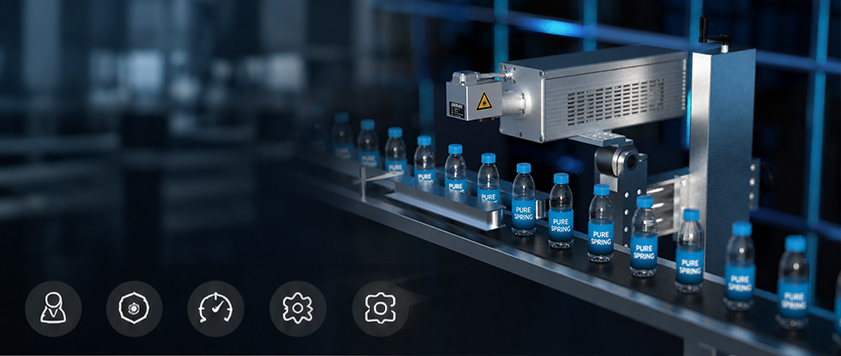
Why packaging manufacturers are moving from inkjet printers to clean, permanent and automation-ready laser coding.
Introduction
In recent years, more manufacturers have begun replacing traditional inkjet printers with industrial laser coding machines. As production lines become faster and smarter, factories are looking for coding solutions that provide higher efficiency, lower maintenance costs and permanent product traceability.
Laser coding technology has become increasingly popular in industries such as beverage, food packaging, pharmaceuticals, cosmetics, electronics and daily chemical manufacturing. Compared with traditional ink-based systems, laser coding machines offer cleaner operation, lower long-term costs and better integration with automated production lines.
As global manufacturing continues moving toward smart factory automation, laser coding systems are becoming the preferred choice for modern packaging lines.
Challenges of Traditional Inkjet Coding Systems
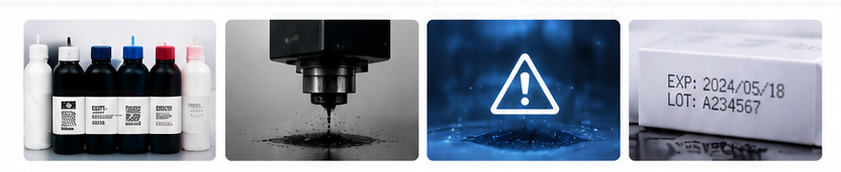
Traditional inkjet coding systems, especially Continuous Inkjet Printers (CIJ), have been widely used in packaging industries for many years. However, manufacturers are now facing several limitations with ink-based coding technologies.
High Consumable Costs
Traditional inkjet printers require continuous use of ink, solvents and cleaning fluids. For factories operating 24-hour production lines, consumable costs can become extremely expensive over time.
In many cases, yearly ink and maintenance costs may exceed the original equipment purchase cost.
Frequent Maintenance
Inkjet systems require regular cleaning and maintenance to prevent nozzle clogging and unstable printing quality. Production interruptions caused by maintenance can reduce factory efficiency and increase operational downtime.
Laser coding systems eliminate many of these issues because they operate without ink or physical contact.
Environmental and Cleaning Problems
Ink-based coding systems may create pollution, odor and cleaning challenges in industrial environments. Many manufacturers are now seeking cleaner and more environmentally friendly production solutions.
Laser coding technology produces permanent marks without ink, solvents or chemical waste.
Why Laser Coding Machines Are Becoming the Preferred Choice
No Consumables Required
One of the biggest advantages of laser coding machines is that they do not require ink or solvents. This significantly reduces long-term operating costs and minimizes maintenance requirements.
Manufacturers can achieve more stable production while reducing yearly consumable expenses.
Permanent and High-Quality Marking
Laser coding creates permanent, wear-resistant and high-contrast marks. Unlike ink-based printing, laser marks cannot easily fade, smear or be removed.
This is especially important for:
Product traceability
QR code identification
Anti-counterfeiting
Regulatory compliance
Long-term industrial marking
High-Speed Production Line Compatibility
Modern laser coding machines are designed for continuous operation on high-speed packaging lines.
Industrial laser systems can support:
Continuous online coding
Conveyor integration
Automated packaging systems
MES / ERP / PLC communication
Variable data printing
High-speed QR code marking

For manufacturers operating fast production environments, laser systems provide greater stability and reliability.
Smart Factory Integration
As Industry 4.0 and smart manufacturing continue to develop, more factories require intelligent coding systems that integrate with factory automation software.
Laser coding machines can connect with:
MES systems
ERP systems
PLC controllers
Production databases
Automated inspection systems
This allows factories to improve production traceability and digital manufacturing management.
Industries Rapidly Adopting Laser Coding Technology
Beverage Industry
Laser coding is widely used for:
Bottle cap coding
PET bottle marking
Production dates
Batch numbers
QR codes
Laser systems provide clear and permanent marks even on high-speed beverage production lines.
Pharmaceutical Packaging
Pharmaceutical manufacturers require highly reliable and permanent coding solutions for compliance and traceability.
UV laser coding systems are especially suitable for:
Medicine boxes
Blister packaging
Medical labels
Plastic packaging
Food Packaging
Food manufacturers increasingly use laser coding for:
Carton packaging
Flexible film packaging
Expiration dates
Production tracking codes
Laser coding helps improve hygiene and reduce consumable contamination risks.
Electronics and Hardware Manufacturing
Fiber laser marking systems are commonly used for:
Metal parts
Electronic components
Cables
Industrial hardware
Permanent laser marking improves product identification and anti-counterfeiting capabilities.
Laser Coding vs Traditional Inkjet Printing
| Feature | Laser Coding | Traditional Inkjet |
|---|---|---|
| Consumables | No ink required | Requires ink and solvents |
| Maintenance | Low maintenance | Frequent cleaning |
| Mark Permanence | Permanent | Easy to fade |
| Environmental Impact | Clean and eco-friendly | Ink pollution possible |
| Production Speed | High-speed continuous operation | Medium speed |
| Smart Factory Integration | Excellent | Limited |
The Future of Industrial Packaging Coding
As manufacturers continue moving toward automated and sustainable production, laser coding systems are expected to replace more traditional inkjet solutions.
Factories are increasingly focusing on:
Lower operational costs
Higher production efficiency
Smart manufacturing integration
Environmental sustainability
Permanent product traceability
Laser coding technology perfectly matches these industrial trends.
In the coming years, industrial laser coding machines will continue becoming one of the most important technologies for modern packaging production lines.
Frequently Asked Questions
Why are factories switching from inkjet printers to laser coding machines?
Factories are switching because laser coding systems reduce consumable costs, require less maintenance and provide permanent high-quality marks for industrial traceability.
Are laser coding machines suitable for high-speed packaging lines?
Yes. Modern laser coding systems are designed for continuous operation on automated high-speed production lines.
Which industries commonly use laser coding systems?
Beverage, pharmaceutical, food packaging, electronics, cosmetics and hardware manufacturing industries widely use laser coding technology.
Do laser coding machines require ink?
No. Laser coding systems operate without ink or solvents, helping factories reduce long-term operating costs.
Can laser coding improve product traceability?
Yes. Laser coding creates permanent QR codes, serial numbers and production data that improve industrial product tracking and anti-counterfeiting management.