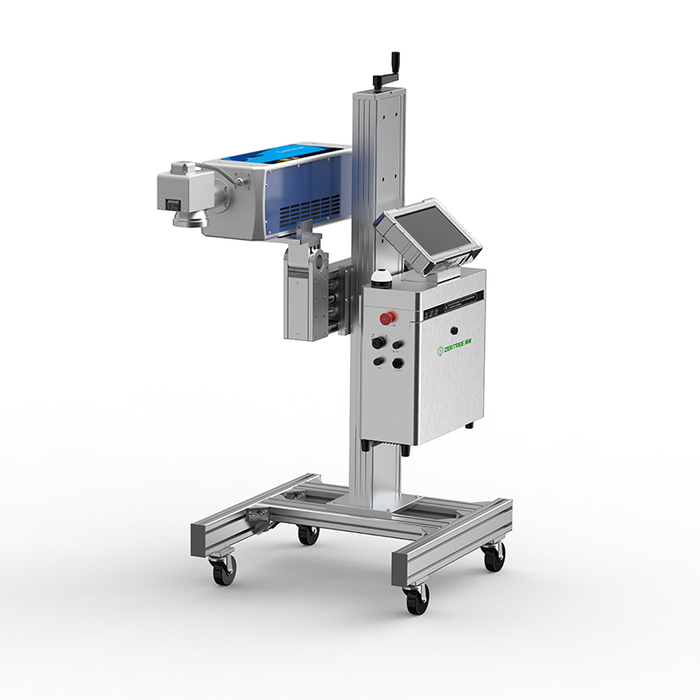

Pharmaceutical — UDI-Compliant Laser Marking
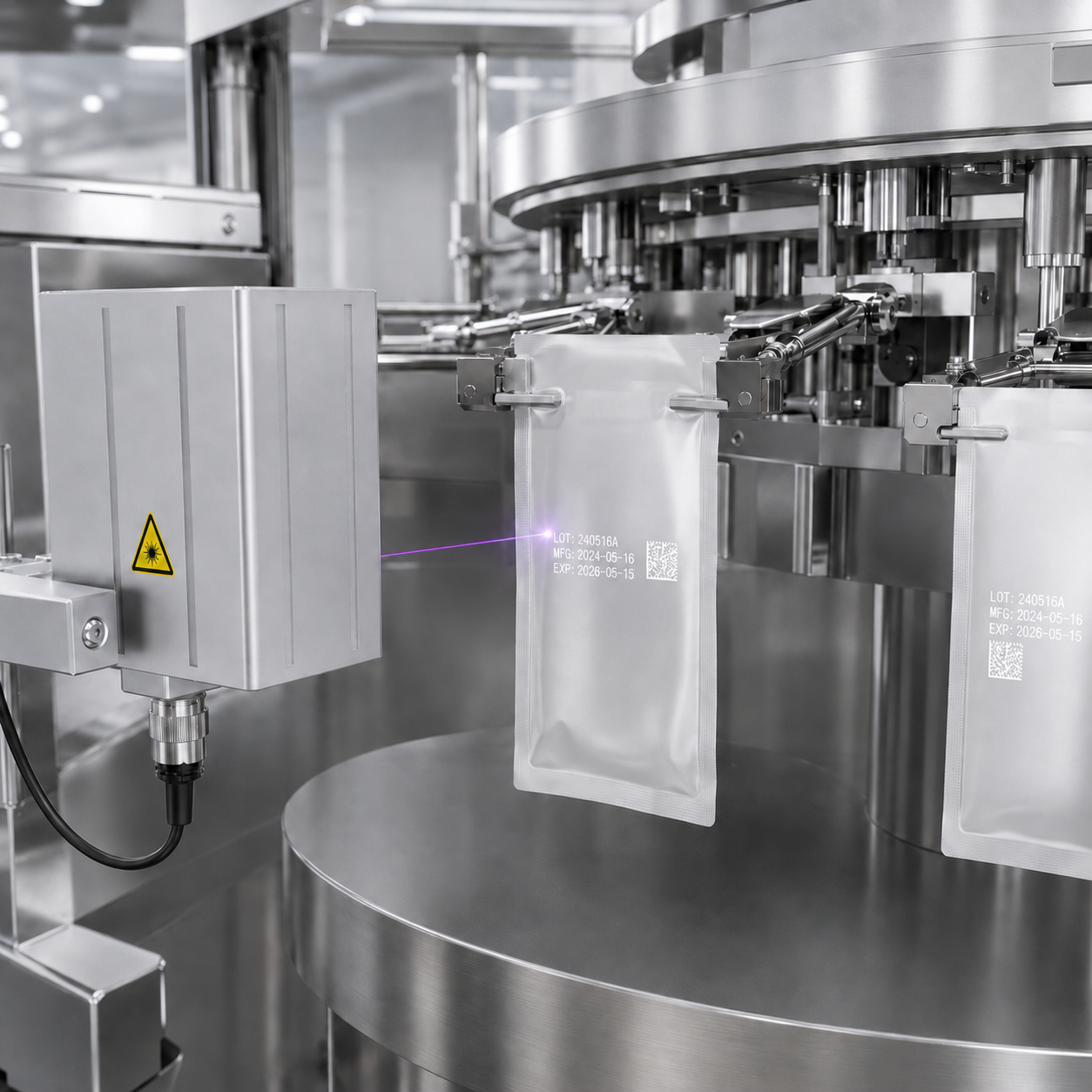
I. Industry Background and Regulatory Requirements
The pharmaceutical and medical device industry is one of the most strictly regulated sectors globally. With the mandatory implementation of regulations such as the U.S. FDA UDI requirements, the EU Medical Device Regulation (MDR), and the Falsified Medicines Directive (FMD), manufacturers are required to apply permanent, clear, and traceable Unique Device Identification (UDI) markings on their products.
Key Regulatory Frameworks
FDA UDI Regulation (United States):
Medical devices must bear a unique identification code to support full lifecycle traceability, covering the entire chain from production to patient use.
EU MDR (European Union):
Mandates UDI codes on medical devices to ensure patient safety; full enforcement from 2027.
FMD - Falsified Medicines Directive (European Union):
Requires serialized coding on pharmaceutical packaging to prevent counterfeit products from entering the legitimate supply chain.
DSCSA - Drug Supply Chain Security Act (United States):
Mandates batch-level precise coding for pharmaceutical supply chain traceability; serialization became mandatory as of November 2023.
II. Industry Pain Points
Permanent Durability Required:
Markings must withstand harsh sterilization processes (high-pressure steam at 121 degrees Celsius and above, ethylene oxide (EO), gamma radiation), chemical disinfection, and high temperatures. Traditional labels and inks tend to peel or fade after repeated sterilization cycles.
Diverse and Sensitive Materials:
Stainless steel surgical instruments, titanium alloy implants, blister foil, glass ampoules, and medical plastics each require different laser parameter configurations due to their varying material properties.
Heat-Sensitive Materials Prone to Damage:
Conventional thermal printing can cause deformation or damage to certain medical materials, such as thin-walled plastics and blister foil, compromising packaging barrier properties and product integrity.
Strict Aseptic Requirements:
The marking process must not contaminate sterile zones or introduce chemical residues. Traditional ink-based coding carries the risk of chemical contamination.
High-Resolution Requirements:
UDI codes (including DataMatrix 2D codes) must remain clearly readable even on extremely small surfaces (e.g., a 3mm surgical instrument), demanding exceptionally high laser precision.
III. Laser Solution Selection
3.1 Fiber Laser — UDI Marking on Metal Instruments
Fiber lasers produce high-contrast black or gray marks by altering the oxidation state of the metal surface, forming a metallurgical bond with the substrate. This marking is capable of withstanding repeated high-temperature and high-pressure sterilization processes, ensuring permanent and non-removable identification — making it the preferred solution for UDI compliance on metal medical devices.
Technical Specifications:
Applicable Materials: Stainless steel, titanium alloy, surgical instruments, orthopedic implants
Marking Content: UDI codes (including DataMatrix), serial numbers, production batches
Technical Advantages: High contrast, sterilization-resistant (steam, EO, gamma), chemical-free
Typical Products: Scalpel handles, orthopedic screws, spinal implants, endoscopic instruments
Mark Characteristics: Metallurgical bond with substrate; clarity remains unchanged after multiple sterilization cycles
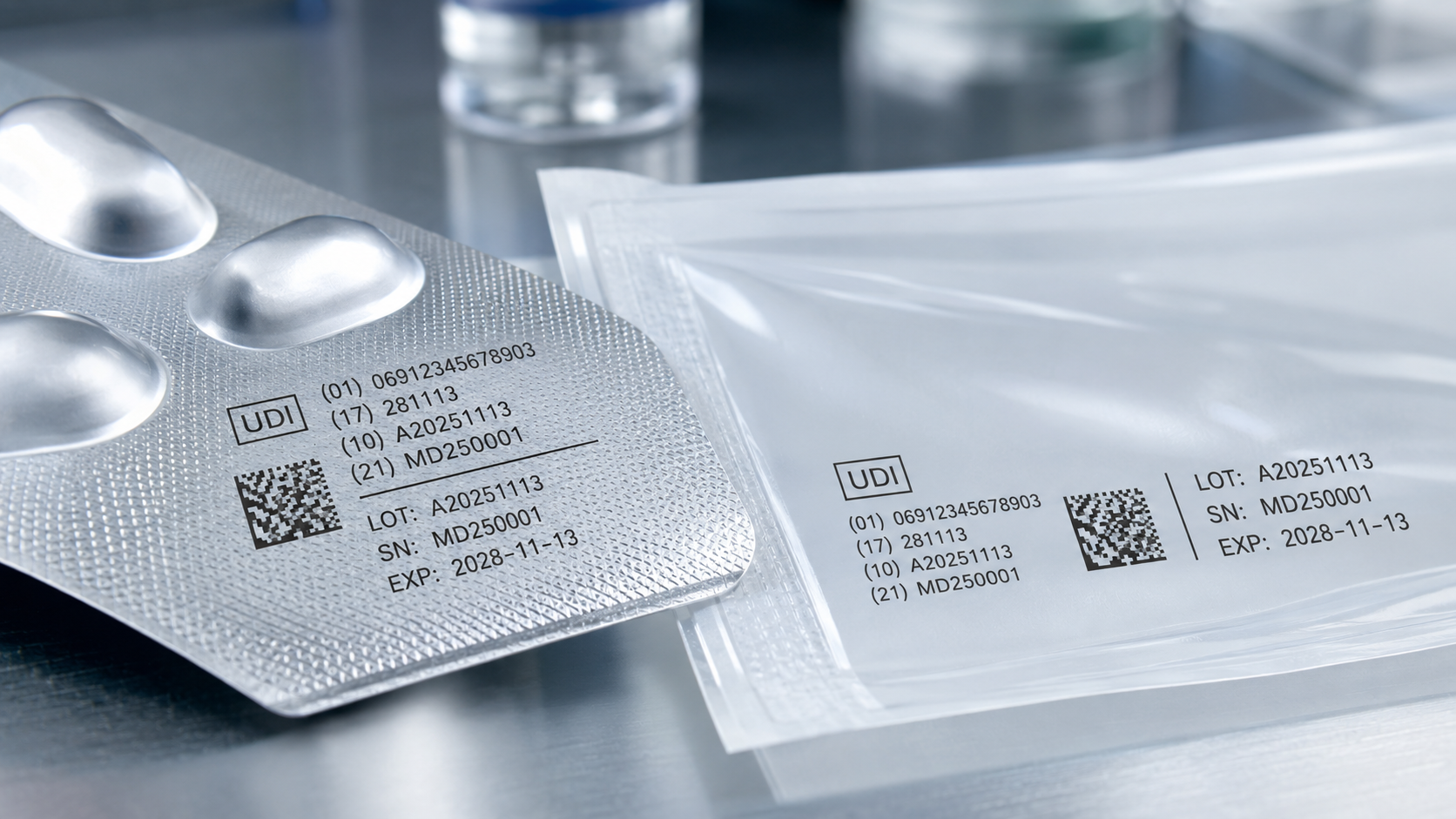
3.2 UV Laser — Marking on Sensitive Pharmaceutical Packaging
UV lasers operate at a short wavelength (355nm) with precise energy delivery, interacting with the material surface through photochemical reactions rather than thermal effects — achieving true "cold marking." For highly heat-sensitive pharmaceutical packaging materials such as blister foil and medical films, the thermal impact is virtually negligible, ensuring clear, damage-free markings that do not compromise packaging barrier properties.
Technical Specifications:
Applicable Materials: Blister foil, medical PVC film, glass ampoules, syringes
Marking Content: Batch numbers, expiry dates, serialization codes, anti-counterfeiting codes
Technical Advantages: Cold marking with zero thermal damage; does not compromise packaging barrier properties; no chemical reaction with materials
Typical Products: Blister packaging for oral solid dosage forms, injection ampoules, pre-filled syringes
Mark Characteristics: Photochemical ablation marking; heat-affected zone is extremely minimal and negligible